

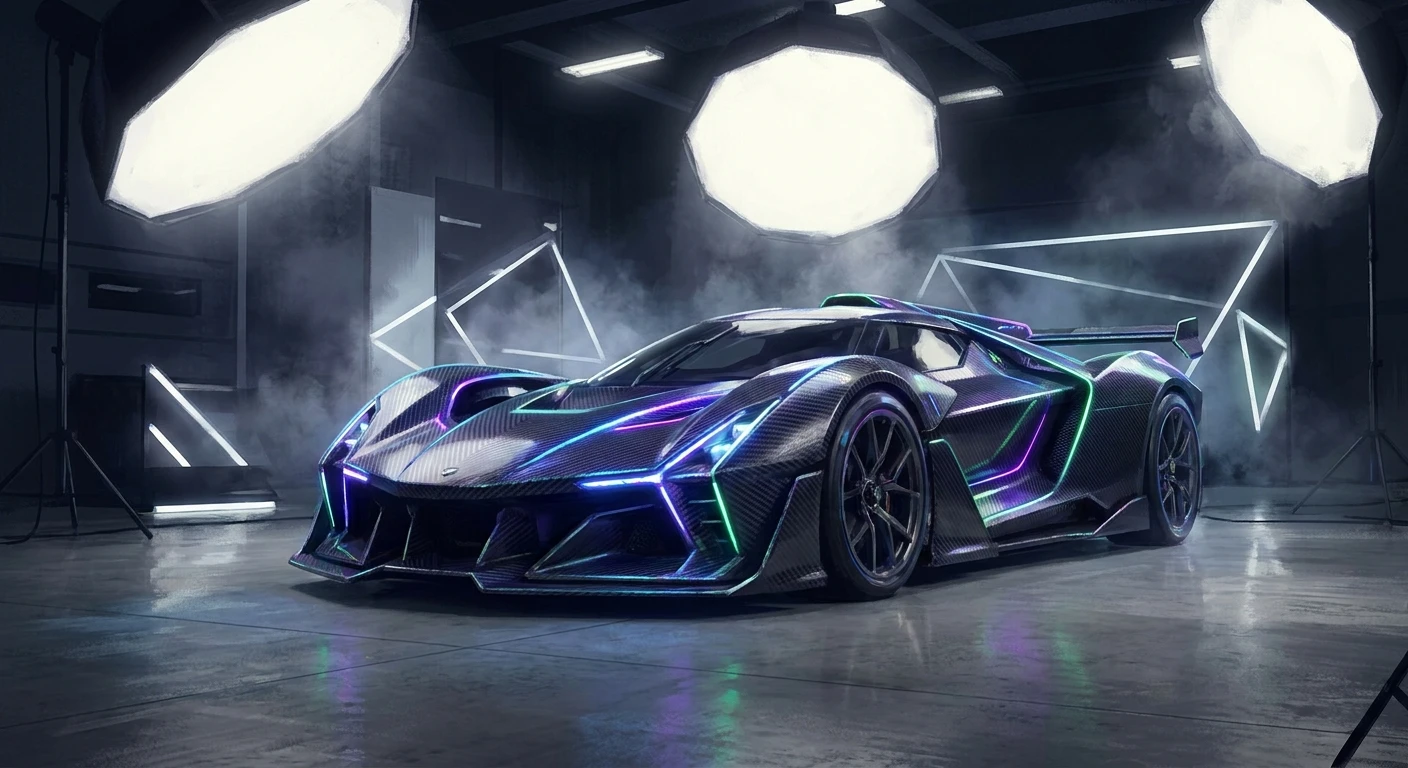
The Massive Anticipation Behind F1 Livery Reveals
F1 Livery Reveals represent the true starting gun for the global motorsport season, grabbing the attention of millions of racing fans worldwide. You know that incredible rush when the velvet covers finally come off a brand-new championship contender? That moment is about much more than just a fresh coat of paint and some polished carbon fiber. It is a highly calculated, high-stakes chess game of corporate sponsor placements, subtle aerodynamic teasing, and absolute branding perfection. When you tune into F1 Livery Reveals, you are watching a multi-million dollar marketing campaign unfold in real time, designed to generate maximum hype while carefully guarding engineering secrets from rival constructors. Teams spend months agonizing over every single square inch of the car’s surface area because that visual identity will define their entire year on the track, in merchandise stores, and across global media broadcasts. The colors chosen become instantly synonymous with the drivers pushing those machines to their absolute limits. We are going to explore exactly why these highly produced presentations command such an obsessive following, how the engineering constraints influence the aesthetic choices, and what you need to know to truly appreciate the spectacle before the cars even hit the tarmac for their first warm-up laps.
The Strategic Core of Formula 1 Car Presentations
Why are these massive launch events such a monumental deal for the entire sport? The core benefit of a flawlessly executed launch lies in striking a delicate balance: maximizing sponsor visibility to keep the financial backers happy, while simultaneously hiding crucial aerodynamic secrets from eagle-eyed rival engineers. You have to realize that modern Formula 1 is just as much an information war as it is a physical race. Teams use these presentations to secure their financial foundations. A prominent logo placement on the sidepod or the rear wing can be worth tens of millions of dollars, and the launch event is the prime moment to showcase that partnership to the world. However, the harm in showing too much is massive. If a team displays a revolutionary new front wing design during a February launch, rival wind tunnels will be testing copies of that exact design within forty-eight hours. This dynamic creates a fascinating game of hide-and-seek. To give you a clear picture of how different tiers of the grid handle this challenge, look at the strategic breakdown below.
Read also: The Ultimate Guide to Any f1 test; What is Bazball? Cricket's Wildest Era Explained.
| Grid Position Tier | Presentation Strategy | Aerodynamic Concealment Tactics |
|---|---|---|
| Top Contenders (Red Bull, Mercedes, Ferrari) | Extravagant stage shows, live global broadcasts, celebrity hosts. | Extreme secrecy. Often use older chassis with the new paint scheme or basic FIA show cars. |
| Midfield Challengers (McLaren, Aston Martin, Alpine) | High-quality digital presentations mixed with studio photography. | Moderate secrecy. Might show real suspension layouts but hide crucial floor edges with dark lighting. |
| Backmarker Teams (Williams, Sauber, Haas) | Digital render drops on social media or smaller scale physical events. | Lower secrecy. Often show closer representations of the actual car to maximize media coverage early on. |
To truly understand the value proposition of these events, consider two prime examples. First, when a team brings in a massive new title sponsor, the entire color palette must shift overnight. The launch is the only way to re-educate the global fanbase about the new identity without causing brand confusion. Second, merchandise sales spike tremendously on launch day. Fans want to buy the new team kits immediately, and a strong visual presentation drives instant revenue. If you want to know what the engineers are actually doing behind the scenes during these shows, here are three essential tactics they employ:
- Hiding the Floor Edges: Teams intentionally use dramatic, low-angle studio lighting or physically obscure the bottom edges of the car, as the floor generates the vast majority of the car’s downforce.
- Sponsor Integration Optimization: Designers meticulously warp and stretch sponsor logos so they appear perfectly proportional when viewed from the specific angles of onboard television cameras.
- Decoy Component Usage: Mechanics will frequently bolt on fake, overly simplistic front wings or dummy suspension arms specifically for the photoshoot to send rival analysts down the wrong development path.
The Deep Roots and History of Racing Colors
The Origins of National Racing Colors
Long before corporate sponsors dictated the look of a racing machine, international motorsport was defined by strict national colors. This system originated in the early twentieth century during the Gordon Bennett Cup and carried over into early Grand Prix racing. If you were a British team, you painted your machine in the iconic, deep British Racing Green. Italian squads commanded respect in their fiery Rosso Corsa red, while French entries utilized a striking Bleu de France. German cars famously became naked, unpainted silver aluminum to save weight, birthing the legend of the Silver Arrows. During this pure, early era, a car’s color was a matter of intense national pride rather than commercial viability. Fans could instantly identify the origin of the engineering simply by looking at the grid.
The Evolution into the Commercial Paint Era
The entire paradigm shifted violently in the late 1960s, completely changing the nature of how cars looked. The turning point arrived when Colin Chapman struck a deal with Gold Leaf tobacco for his Lotus team. He boldly abandoned the traditional British Racing Green in favor of a striking red, white, and gold commercial scheme. This single decision opened the floodgates for the tobacco era of the 1970s, 1980s, and 1990s. Suddenly, cars were no longer national representatives; they were two-hundred-mile-per-hour billboards. The visual identities of teams became intertwined with iconic cigarette brands, creating legendary, aggressive geometric liveries that fans still revere today. The transition proved that the visual real estate on a Formula 1 chassis was one of the most valuable marketing assets on the planet.
The Modern State of Digital Launches
Today, the landscape has evolved into a hyper-digital, incredibly sophisticated realm. We have moved far beyond pulling a simple cloth off a car in a pit lane garage. Modern teams utilize augmented reality, virtual reality, and heavily stylized CGI renders to unveil their challengers. Sometimes, the physical car does not even exist in its final form when the digital images are released to the public. Teams partner with high-end streaming platforms and leverage massive social media countdowns to generate global trending topics. The modern launch is an intricate multimedia experience designed for smartphone screens and high-definition televisions alike, proving that the presentation of the car is just as heavily engineered as the engine sitting inside it.
The Exacting Science Behind the Paint
The Chemistry of Motorsport Coatings
You might think slapping paint onto a car is a straightforward process, but in the highest echelon of motorsport, the chemistry of the coating is a matter of intense scientific scrutiny. The primary enemy of any race car is weight. A standard automotive paint job can add several kilograms to a vehicle, which is utterly unacceptable when teams are fighting over fractions of a gram. Modern teams utilize highly advanced, aerospace-grade polyurethane coatings that are applied in incredibly thin layers. These specialized pigments must be exceptionally resilient to withstand the abrasive blast of track debris, rubber marbles, and extreme heat radiating from the power unit, all while remaining as light as humanly possible. The chemical composition is heavily guarded, as finding a lighter paint solution translates directly to faster lap times on the circuit.
Aerodynamic Implications of Surface Finishes
Beyond just weight, the surface finish directly impacts the aerodynamic efficiency of the chassis. Even the microscopic ridges created by overlapping vinyl sponsor decals can disrupt the boundary layer of airflow traveling over the bodywork, causing unwanted drag. This is why teams spend countless hours in the wind tunnel testing different surface textures. The engineering demands have led to specific trends that you will notice every season. Here are some of the fascinating scientific facts surrounding car finishes:
- Traditional high-gloss clear coats are increasingly being abandoned because they add up to a full kilogram of unnecessary weight to the chassis.
- Many teams now utilize advanced matte finishes, which are chemically lighter and offer marginal aerodynamic benefits by subtly altering how air sticks to the surface.
- Large sections of the car are intentionally left completely unpainted, exposing the raw, black carbon fiber beneath specifically to shave off precious grams and meet minimum weight regulations.
- Sponsor logos are frequently painted directly into the base layers rather than applied as traditional heavy vinyl stickers to maintain a perfectly smooth aerodynamic profile.
Actionable Guide: How to Follow the Launch Season
Step 1: Track the Official Announcement Dates
The very first thing you need to do is monitor the official motorsport press channels starting in early January. Teams will begin dropping cryptic dates on their social feeds. Create a digital calendar specifically for these dates, as they are usually clustered together tightly over a two-week period in February.
Step 2: Monitor Team Social Media Teasers
Do not just wait for the final day. In the weeks leading up to the main event, teams post close-up, heavily shadowed photos of the new chassis. Analyzing these teasers allows you to spot subtle changes in the color palette or hints about new major corporate sponsors joining the roster.
Step 3: Set Up Alerts for Premiere Streams
Most major presentations happen via live streams on platforms like YouTube or dedicated team applications. Ensure you have push notifications enabled. These streams often feature interviews with the drivers and team principals, providing crucial context about their goals for the upcoming championship.
Step 4: Analyze the CGI Renders First
When the images finally drop, recognize that you are likely looking at digital CGI renders rather than a physical object. Download the high-resolution press images and zoom in on the aerodynamic parts. Ask yourself if the sidepods look suspiciously simple, which usually means they are hiding the real design.
Step 5: Compare Shakedown Track Photos
A few days after the studio presentation, teams usually conduct a filming day at a track like Silverstone. This is the crucial moment. Compare the photos from this track day to the studio renders. The track version is usually much closer to reality, revealing the true aerodynamic shapes.
Step 6: Identify Sponsor Changes
Take a moment to map out the new logos on the chassis. A change in the title sponsor usually dictates the entire design philosophy. Understanding who is funding the team gives you a clear idea of their budget and potential development pace for the rest of the year.
Step 7: Watch Pre-Season Testing for the Real Car
Finally, know that the definitive version of the car will only be seen during the official pre-season testing in Bahrain. This is when the heavy aerodynamic upgrades are bolted on. The launch was the marketing show; testing is where the true engineering reality is finally exposed to the world.
Separating Myths from Reality
Because these events are shrouded in so much secrecy, fans often fall victim to widespread misunderstandings. Let us clear up the most common misconceptions right now.
Myth: The car shown on stage is exactly what will race in the first Grand Prix. Reality: Teams almost always present a hybrid model, combining last year’s chassis with the new paint scheme, or they use a generic dummy car provided by the governing body to hide their actual aerodynamic innovations.
Myth: The drivers have a significant say in how the car is painted. Reality: While drivers might pick their helmet designs, the car’s color palette is entirely dictated by corporate sponsors and strict brand identity guidelines enforced by the marketing department.
Myth: Matte paint is chosen purely because it looks intimidating on television. Reality: The shift to matte finishes is entirely performance-driven. Matte paint lacks the heavy protective clear coats of gloss finishes, saving crucial weight that translates directly to lap time.
Myth: Teams randomly choose when to host their presentations. Reality: The schedule is heavily negotiated to ensure no two major teams clash on the same day, maximizing media coverage and sponsorship return on investment for everyone involved.
Frequently Asked Questions and Final Thoughts
When do teams usually launch their cars?
The vast majority of presentations occur in February, just a few weeks before official pre-season testing begins.
Do all teams use real cars for the presentation?
No. Many teams utilize highly detailed digital renders or generic show cars to prevent rivals from stealing their designs.
Why do modern cars feature so much black space?
That black space is usually unpainted, raw carbon fiber, left exposed purely to save weight and improve track performance.
Can a team change its colors mid-season?
Yes, teams can run special one-off designs for specific races, but they must receive official approval from the governing body first.
Who pays for these elaborate presentation events?
Title sponsors and major corporate partners usually fund the spectacle as part of their massive marketing activation budgets.
Are regular fans allowed to attend the presentations?
Physical attendance is usually strictly limited to media, VIPs, and sponsors, though fans can watch the global digital broadcasts.
Where is the best place to watch the live streams?
The official YouTube channels of the respective racing teams offer the highest quality streams and immediate replay availability.
The meticulous planning and sheer theatricality of these unveilings prove that motorsport is as much an entertainment business as it is an engineering discipline. Understanding the hidden strategic battles taking place beneath the fresh paint adds a massive layer of enjoyment to the start of the season. You are now fully equipped to analyze the next launch cycle like a paddock insider. Do not miss out on any of the high-speed action—make sure to bookmark your favorite team channels, set your calendar alerts, and dive deep into the technical galleries as soon as the covers come off the next generation of racing machines!











Leave a Reply