

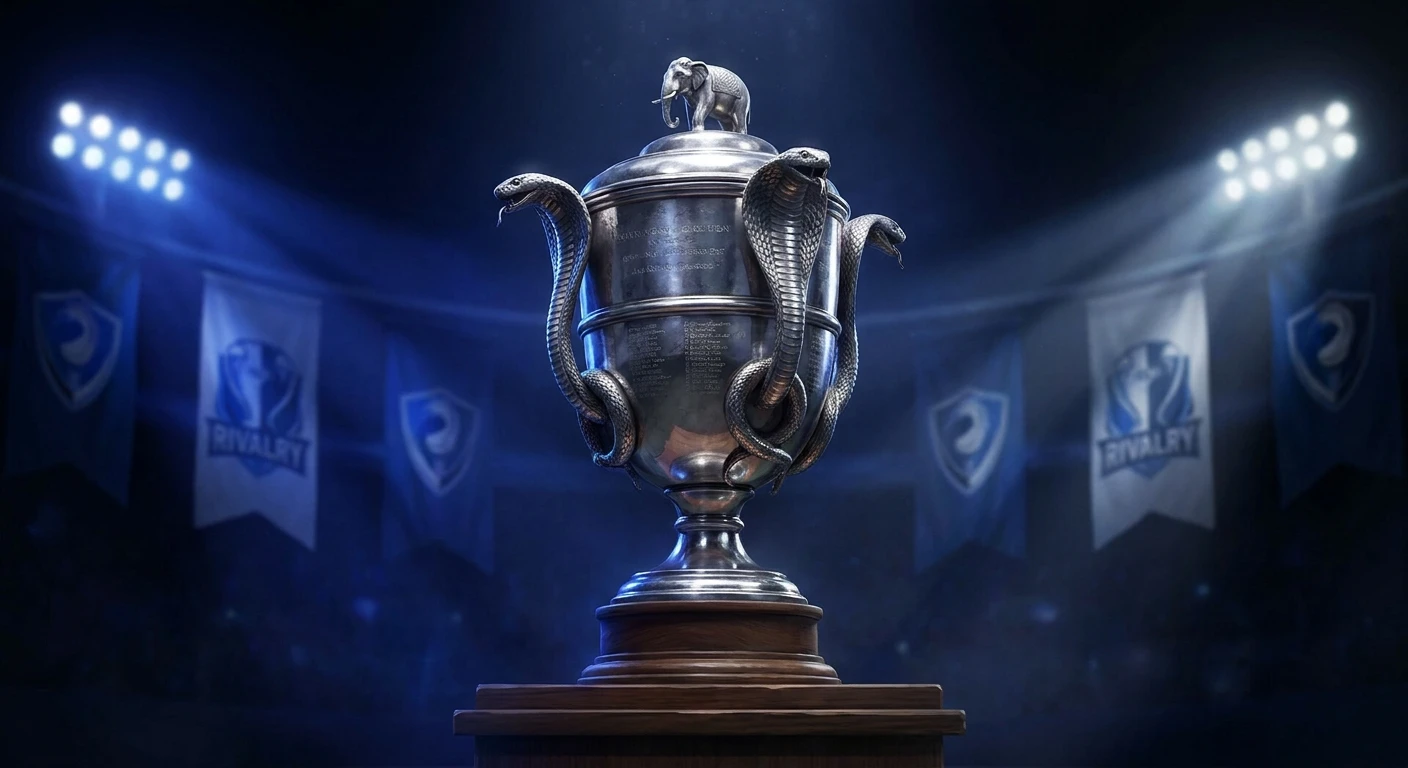
The Intense Legacy of the Calcutta Cup
When you look at the oldest and most intense rivalries in international rugby, the Calcutta Cup stands alone as a testament to sporting endurance. Every year, England and Scotland face off in a clash that commands the attention of millions, transcending the boundaries of a standard athletic contest. This fixture acts as the heartbeat of the Six Nations Championship, carrying over a century of pride, friction, and tactical mastery. The atmosphere surrounding this particular match is electric, fueled by a deeply rooted desire to claim bragging rights over a familiar neighbor. For players stepping onto the pitch at either Twickenham or Murrayfield, securing this ornate silver trophy represents the pinnacle of their international careers. Fans experience a rollercoaster of emotions, knowing that form and previous results often mean nothing when these two teams collide. The sheer weight of history makes the match unpredictable, chaotic, and entirely captivating. From the roar of the anthems to the final whistle, the fixture demands absolute physical and mental commitment from everyone involved, ensuring its place as a cornerstone of global rugby culture.
Understanding the Core Value of the Match
To grasp why this fixture commands such respect, you have to look beyond the basic rules of rugby. The match serves as a cultural flashpoint, representing contrasting rugby philosophies and deeply entrenched national pride. For England, it is often about asserting dominance and executing structured, powerful game plans. For Scotland, it is frequently about defiance, flair, and dismantling the opposition’s rhythm. When these approaches clash, the resulting spectacle offers unmatched entertainment. The value proposition for fans is clear: guaranteed passion, historic context, and the promise of relentless physical contest.
Read also: Newcastle vs Man City: Tactical Clash and Match Analysis; Ind W vs Aus W: Ultimate Cricket Rivalry Breakdown.
This dynamic creates unforgettable moments that define eras of the sport. Take, for example, the 1990 Grand Slam decider, where Scotland famously walked onto the pitch to a spine-tingling rendition of Flower of Scotland, ultimately securing a gritty victory. Another stark example is the historic 2021 match, where Scotland broke a decades-long drought at Twickenham, shifting the psychological balance of the rivalry. These moments prove that the fixture is never just another game.
| Aspect of the Rivalry | England Approach | Scotland Approach |
|---|---|---|
| Historical Home Advantage | Twickenham Fortress | Murrayfield Hostility |
| Tactical Emphasis | Set-piece power and territory | Breakdown disruption and expansive backs |
| Psychological Motivation | Maintaining historical dominance | Embracing the underdog narrative |
Experiencing this event involves several key elements that build the atmosphere to a fever pitch. Fans naturally gravitate toward three distinct phases of the matchday experience:
- The tense build-up, marked by passionate debates, historical comparisons, and the journey to the stadium through crowded streets.
- The deafening rendition of the national anthems, where the contrasting sounds of God Save the King and Flower of Scotland set the emotional baseline.
- The physical intensity of the opening exchanges, where the first tackle and the first scrum dictate the physical terms of the next eighty minutes.
Origins of the Trophy
The physical trophy itself has an origin story unlike any other in global sports. The narrative begins in India in the 1870s, specifically with the Calcutta Rugby Football Club. Founded by former students of prestigious British schools, the club thrived briefly before struggling to maintain membership numbers in a climate suited more for polo and cricket. When the club eventually decided to disband in 1878, the members withdrew their remaining funds, which consisted of silver rupees. Rather than simply dividing the money, they made a historic decision to melt the rupees down and craft a magnificent trophy. They presented this silver masterpiece to the Rugby Football Union with the strict instruction that it should be competed for annually. The RFU decided to assign the trophy to the annual clash between England and Scotland, cementing a tradition that endures today.
Evolution of the Fixture
The early days of the fixture were entirely different from the modern spectacle we know now. The first match for the newly minted silver prize took place in March 1879 at Raeburn Place in Edinburgh, ending in a draw. As the decades rolled on, the match moved from modest grounds to monumental stadiums, tracking the rapid growth of rugby’s popularity. Crowds swelled from a few thousand curious onlookers to tens of thousands of partisan supporters. Through world wars and major societal shifts, the match remained a constant, evolving from a gentlemanly amateur pursuit into a ferocious, high-stakes battle. The introduction of standardized rules, specialized positions, and better playing surfaces transformed the speed and impact of the game, yet the raw animosity and desire to hold the trophy never wavered.
The Modern State of the Rivalry
Today, the fixture operates entirely within the professional era, yet it retains a beautifully amateur soul. The players are elite, finely tuned athletes who execute complex tactical systems drawn up by vast coaching teams. Analytics, sports science, and precise nutritional plans dictate preparation, but the moment the players cross the white line, raw emotion takes over. The match now forms a critical juncture in the annual Six Nations Championship. Winning the silver not only provides immense satisfaction but often dictates momentum for the rest of the tournament. Recent years have seen a fascinating shift in the balance of power, with Scotland frequently frustrating English ambitions, proving that historic dominance guarantees nothing in the modern arena.
Trophy Specifications and Craftsmanship
The physical object fought over is a masterpiece of Victorian Indian silversmithing. Standing approximately 18 inches high, the cup is intricately decorated and deliberately ornate, distinguishing it from modern, minimalist sports trophies. The handles are fashioned in the shape of three king cobras, their hoods flared, providing a stark visual representation of its Indian origins. On the domed lid stands a delicately crafted Indian elephant. The base is made of wood, to which silver plaques are attached to record the names of the winning teams and the years of their triumph.
- Material: Hand-crafted from approximately 270 melted-down Indian silver rupees.
- Weight and Fragility: The cup is notoriously delicate, requiring careful handling. It is not designed to hold liquid safely for celebrations.
- Base Mechanics: As the years progressed, additional wooden tiers were added to the base to accommodate the ever-growing list of engraved winners.
- Restoration History: The trophy requires regular specialist polishing and maintenance to prevent tarnishing and structural fatigue due to its extreme age.
Tactical Anatomy of the Match
Winning this specific fixture requires mastering the unique environmental and tactical challenges presented by winter rugby in the Northern Hemisphere. Played typically in February or early March, weather conditions—driving rain, swirling winds, or freezing temperatures—heavily influence the tactical blueprint. Coaches often prioritize territorial kicking games over expansive running play when the weather turns bleak. The battle at the breakdown is particularly fierce, with both sides deploying specialists to slow down opposition ball or force penalties. Lineout functioning and scrum dominance become critical barometers of success. If a team can establish superiority in the set-piece, they can dictate the pace of the game, starve the opposition of possession, and force the frantic errors that often decide tight, low-scoring encounters.
Day 1: Study the Team Announcements
The tactical battle begins on a Tuesday or Wednesday when the head coaches reveal their starting line-ups. Fans should analyze the selection choices, looking for unexpected inclusions or strategic shifts. Identifying whether a coach has opted for a heavy, physical forward pack or a mobile, expansive backline offers the first real clue about how the weekend will unfold.
Day 2: Review Historical Matchups
Context adds richness to the viewing experience. Dedicate Thursday to watching highlights of past encounters. Reviewing the contrasting styles of previous decades, the controversial refereeing decisions, and the legendary individual performances provides a profound appreciation for the weight of the jersey the current players are wearing.
Day 3: Understand the Six Nations Permutations
By Friday, focus on the broader tournament implications. Analyze the current Six Nations standings. Determine how a win, loss, or draw—and the potential acquisition of bonus points—will impact both teams’ chances of winning the overall championship. This match is a crucial chess piece in the wider tournament strategy.
Day 4: Plan the Matchday Menu
Saturday requires proper fueling for the emotional rollercoaster. Prepare a menu that honors the cultural clash. Consider combining hearty English classics like a robust roast or pies with Scottish staples such as haggis, neeps, and tatties. Good food and strong beverages are essential components of the rugby community experience.
Day 5: Secure the Best Viewing Setup
If you are not at Twickenham or Murrayfield, your viewing environment is critical. Ensure high-definition screens, reliable audio for the referee’s microphone, and comfortable seating. Gather a mix of supporters from both sides to ensure the room crackles with the appropriate level of friendly hostility and banter.
Day 6: Master the Anthems
Before kickoff, tune in early for the pre-match ceremonies. The national anthems are not merely ceremonial; they are psychological weapons. Understanding the lyrics, the history, and the sheer volume generated by the home crowd helps you absorb the emotional peak right before the referee blows the first whistle.
Day 7: Embrace the Post-Match Fallout
Sunday is dedicated to analysis and recovery. Read the sports columns, listen to specialized rugby podcasts, and review the post-match interviews. Whether your team achieved glorious victory or suffered crushing defeat, dissecting the refereeing decisions, the tactical blunders, and the standout performances is the final step in the weekend ritual.
Myth: The cup is made of solid gold
Reality: The trophy is made entirely from melted-down Indian silver rupees, donated by the last members of the Calcutta club.
Myth: Players drink champagne from the cup after a win
Reality: The trophy is far too fragile and historically valuable to be used as a drinking vessel. After sustaining severe damage during unsanctioned celebrations in 1988, handling rules became incredibly strict, and modern players celebrate with replica or alternative containers.
Myth: The match is always played in London
Reality: The venue alternates every year between Twickenham Stadium in London, England, and Scottish Gas Murrayfield Stadium in Edinburgh, Scotland, ensuring a fair rotation of home advantage.
Myth: The winner takes the trophy home permanently
Reality: The winning national union holds the trophy for one year until the next scheduled match, operating strictly on a perpetual challenge basis.
Who plays for the Calcutta Cup?
The match is exclusively contested between the senior men’s national rugby union teams of England and Scotland.
When was the first match played?
The first official match for the silver trophy took place in March 1879, ending in a fiercely contested draw.
Where is the match held?
The hosting rights alternate annually between Twickenham Stadium in London and Murrayfield Stadium in Edinburgh.
What happens if there is a draw?
If the match ends in a draw at the final whistle, the team that previously held the trophy retains it for another year.
How heavy is the trophy?
The original silver portion is surprisingly light due to its delicate craftsmanship, but the addition of massive wooden bases over the decades has made the entire assembly quite substantial.
Can the trophy be kept permanently?
No team can win it permanently; it remains a perpetual challenge trophy governed by historical agreements with the Rugby Football Union.
Who has won it more times?
Historically, England holds a significant advantage in total victories, though Scotland has enjoyed periods of sustained success, particularly in the early history and in recent modern professional cycles.
Is it part of a larger tournament?
Yes, the match is played annually as a scheduled fixture within the broader Six Nations Championship.
Why are there cobras on the cup?
The three king cobras forming the handles represent the Indian origins of the silver and the club that originally commissioned the piece.
Does the winner get extra tournament points?
No, the match awards standard Six Nations match points; the physical trophy is a separate, historical honor independent of the tournament’s point system.
Final Thoughts
The Calcutta Cup remains a magnificent anomaly in modern sports—a fragile artifact from a bygone era that continues to command absolute reverence from massive modern athletes. The sheer intensity of the England and Scotland rivalry ensures that this fixture will never lose its edge, regardless of tournament standings or global rankings. Every tackle, every kick, and every tactical decision carries the weight of history. Whether you are a lifelong rugby fanatic or a curious newcomer, watching this match provides a masterclass in passion, resilience, and sporting tradition. If you enjoyed this breakdown of rugby’s oldest international dispute, leave a comment below with your favorite memory from this historic rivalry, or share this guide with your fellow rugby supporters ahead of the next massive clash.












Leave a Reply